
 Budget anxiety is the single most common reason homeowners delay a historic renovation they genuinely want to do. And it is understandable. Unlike building new construction or remodeling a predictable postwar ranch, renovating a historic home carries a layer of financial uncertainty that no spreadsheet can fully eliminate. Walls hide surprises. Systems fail inspection. Materials take time to source. Scope grows.
But unpredictability is not the same as unmanageable. Homeowners who approach historic renovation budgets with the right framework, contingency plan, and a contractor like Carpenter Beach navigate the process successfully every day. Those who struggle are usually the ones who planned for new construction and ended up with an old house.
This guide walks through how to build a realistic budget for a historic home renovation in Northern Virginia, the biggest cost drivers, how experienced contractors approach contingency, and financial tools many homeowners do not know about.
Why Are Historic Home Renovation Costs Harder to Predict Than Other Projects?
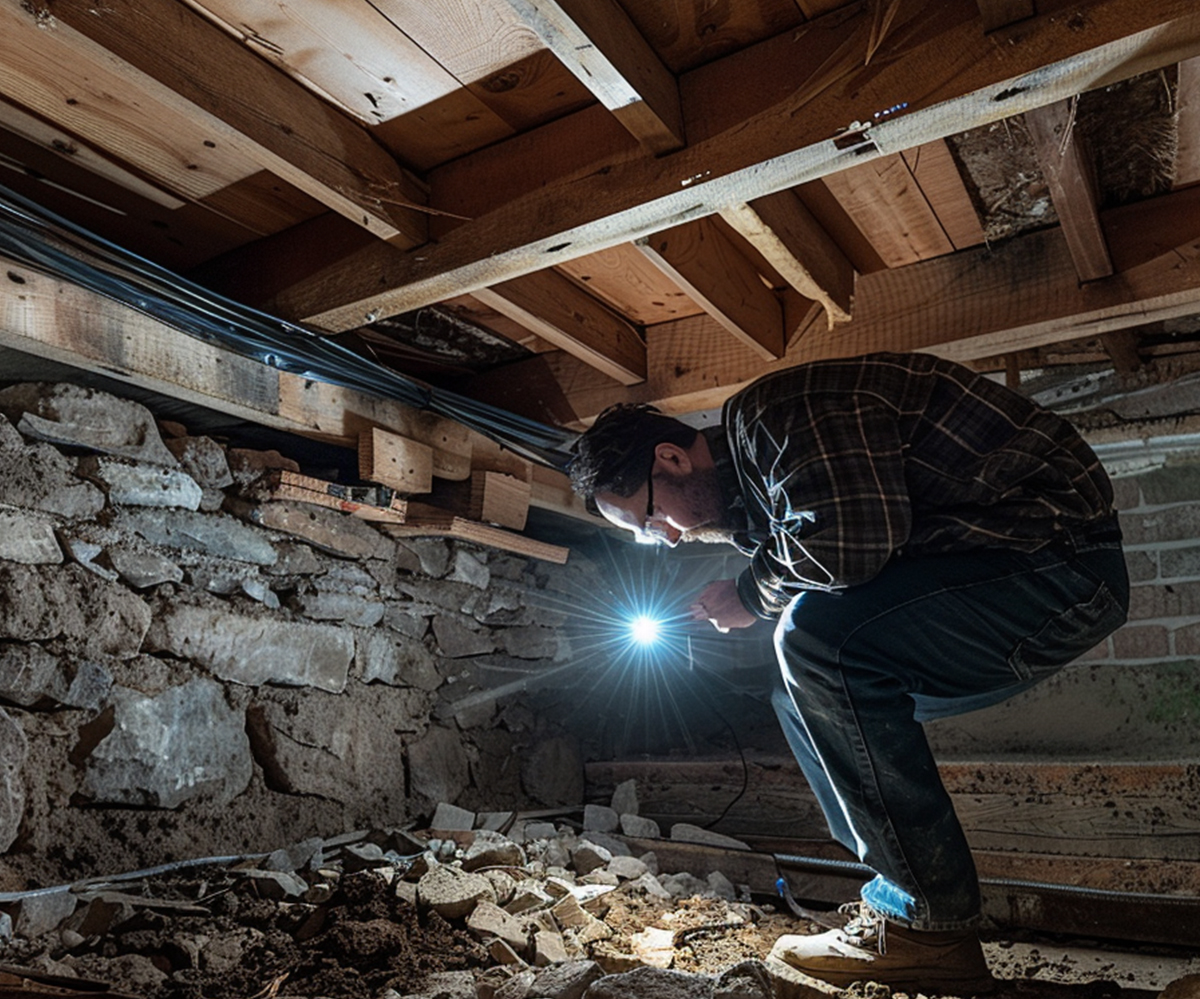
The honest answer is that old houses carry a century or more of decisions, repairs, modifications, and deferred maintenance that are invisible until work begins. A contractor estimating a kitchen renovation in a 1990s home is working with known quantities: standard framing, documented systems, predictable materials. A contractor estimating the same renovation in a 1890s farmhouse is working with probabilities.
What gets discovered inside those walls affects cost in ways that cannot always be anticipated. Rotted sill plates beneath a perfectly painted exterior. Knob-and-tube wiring that has been partially updated but never fully replaced. A chimney that looks sound from the outside but has deteriorated flue tiles. Plaster that is beautiful on the surface, but is pulling away from the lath behind it.
None of these discoveries means the project is out of control. It means the project is revealing what it actually is. The budget framework you build at the start should account for this reality rather than pretend it does not exist.
What Is a Realistic Contingency for a Historic Home Renovation?
The standard advice for any renovation is to hold a 10% contingency. For a historic home, that figure is not enough. The industry standard among contractors experienced with older properties is 15 to 25% of the total projected construction cost, held in reserve and treated as genuinely off-limits until a specific condition is discovered.
Where you fall in that range depends on several factors:
- Age and condition of the property. A well-maintained 1920s home with updated systems carries less unknown risk than an untouched 1880s structure that has never been opened up.
- Scope of work. A whole-house renovation that opens every wall and floor has far more exposure than a focused kitchen renovation that leaves the rest of the home intact.
- Quality of pre-construction assessment. A thorough evaluation by an experienced contractor before work begins reduces but does not eliminate contingency exposure. The better the assessment, the lower the range of unknowns.
- Whether hazardous materials have been tested. Untested homes carry additional uncertainty about lead and asbestos remediation costs that tested homes do not.
Think of the contingency not as money you expect to spend, but as money you are prepared to spend if needed. If the project closes out and the contingency is largely unspent, that is a good outcome worth appreciating. The contingency is not a budget line to be optimized away at the planning stage.
 How Should I Prioritize Spending in a Historic Renovation Budget?
One of the most important disciplines in historic renovation budgeting is maintaining a clear hierarchy of spending priorities. When unexpected costs arise mid-project (and they will), having a pre-established framework for what gets funded first prevents the kind of reactive decisions that compromise the long-term value of the work.
A sound prioritization framework works roughly like this:
- Life safety and structural integrity. Foundation, framing, roof structure, electrical safety, plumbing, and fire protection. Nothing else gets funded until these are right. A beautiful kitchen in a building with a failing foundation is not a sound investment.
- Building envelope. Windows, exterior doors, roof covering, and drainage. Keeping the weather out protects everything inside and prevents the kind of ongoing moisture damage that compounds over time.
- Mechanical systems. HVAC, updated plumbing, and full electrical replacement, if not already done. These are invisible when finished but determine how the home functions and what it costs to insure and maintain.
- Interior finishes. Walls, floors, trim, cabinetry, tile, and fixtures. This is where personal taste most directly drives cost, and where there is legitimate flexibility to adjust if earlier phases run over budget.
This hierarchy matters most when budget pressure arrives. If unexpected structural work or systems replacement drives costs up in the early phases, the right adjustment is to recalibrate finish selections rather than defer the structural work. Deferring structural issues in an old house almost always means paying more to address them later.
What Are the Biggest Cost Variables in a Historic Home Renovation?
 Knowing where cost uncertainty concentrates helps you plan more accurately and have better conversations with your contractor. In Northern Virginia’s historic housing stock, the most significant variables tend to be:
Electrical systems. This is consistently the largest cost variable in older-home renovations. A home that has never had its electrical system updated may require a full replacement of every circuit, panel, and service entry. A home that has been partially updated may have a mix of systems that are harder (and more expensive) to rationalize than starting fresh would have been. Get a licensed electrician to the home before finalizing your budget.
Plumbing. Galvanized steel supply pipes, cast iron drain lines, and lead connections are common in homes over 80 years old. A full replacement is often the most cost-effective approach for a whole-house renovation, but the extent of the work depends heavily on what is found once access is gained.
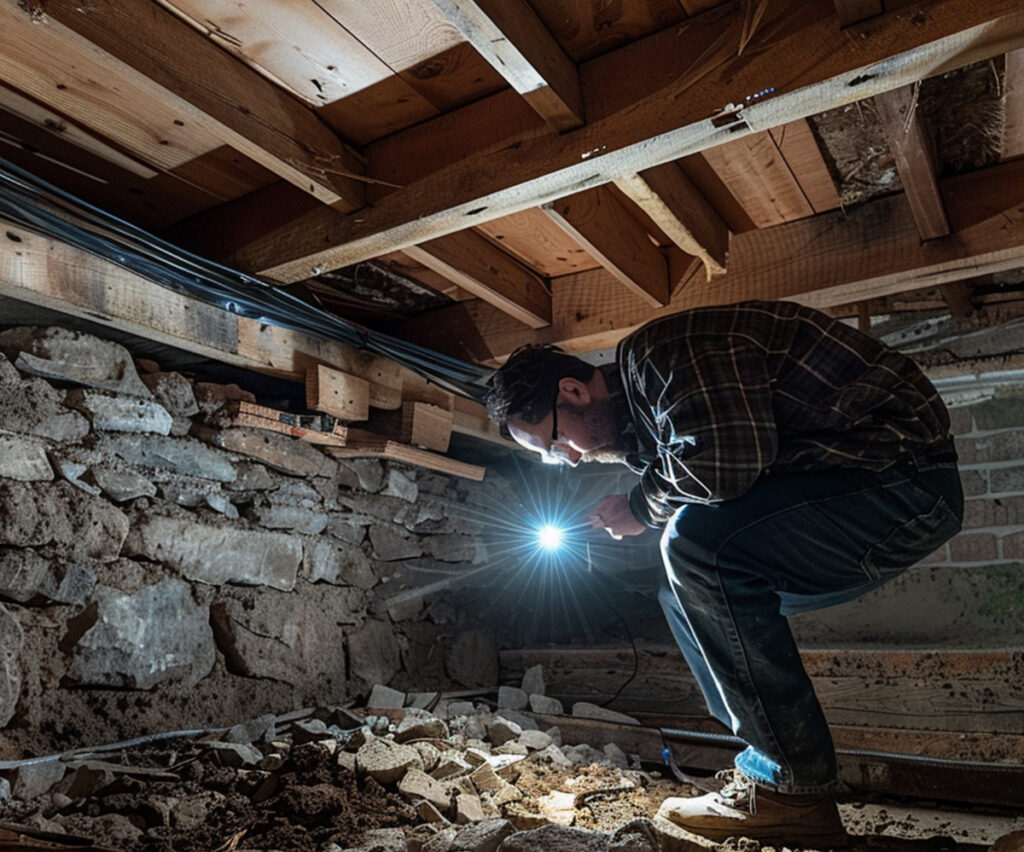
Foundation and structural conditions. Stone, brick, or early concrete foundations in older Virginia homes frequently show evidence of settlement, mortar deterioration, or moisture infiltration. In most cases, this can be stabilized without full replacement, but the assessment has to be thorough and the scope right.
Hazardous materials remediation. Lead paint abatement and asbestos removal are real costs that vary significantly based on what testing finds and where the materials are located. Testing before construction begins lets you price this accurately rather than discover it mid-project.
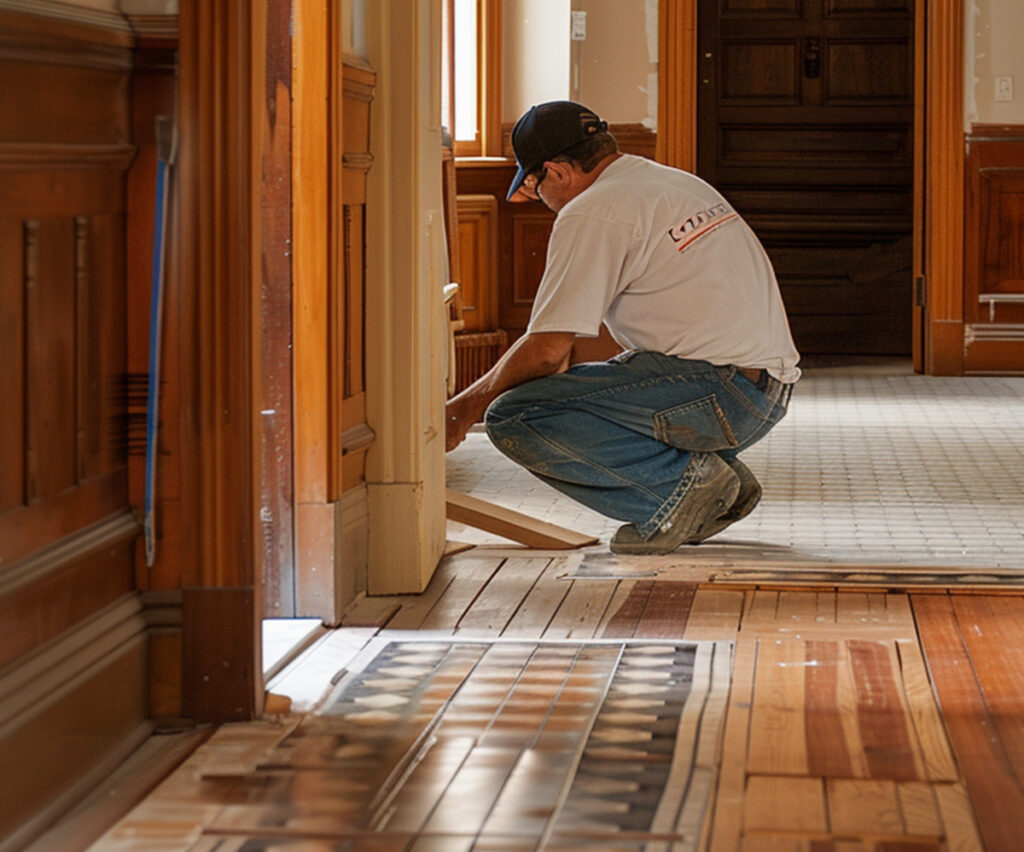
Material sourcing for historic work. Matching original brick, matching plaster profiles, sourcing period millwork, or finding appropriate exterior siding materials takes time and sometimes commands a premium. This cost is hard to estimate without knowing exactly what needs to be matched and what is available in the current market.
Window restoration versus replacement. Original wood windows in historic homes can often be restored to perform comparably to modern replacements at a lower cost and with preservation benefits. But the condition of each window affects whether restoration or replacement is the right call, and that assessment requires an experienced eye.
How Do I Get a Renovation Estimate I Can Actually Trust?
Getting a reliable estimate for a historic home renovation requires a different approach than getting bids for a standard remodel. Here is what distinguishes a trustworthy estimate from one that will cause problems later.
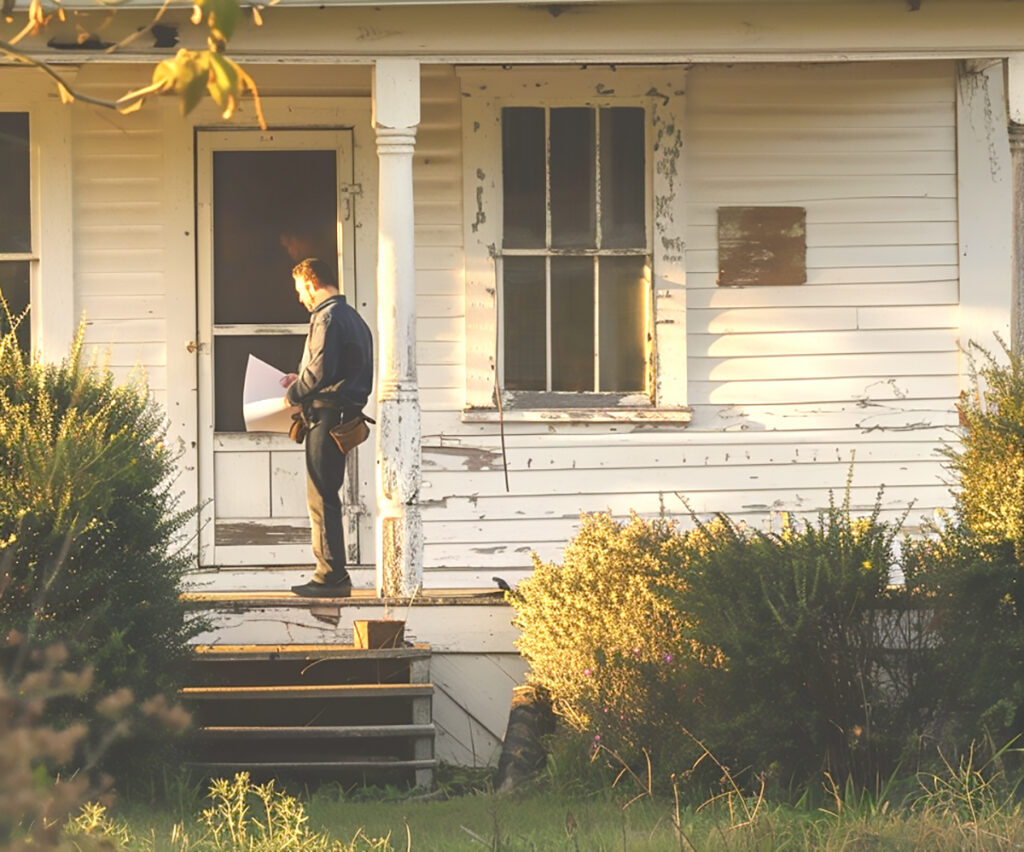
The estimate should be based on a thorough walkthrough. A contractor who quotes a historic renovation from photos, a brief visit, or a description of the scope has not seen enough of the property to price it accurately. The walkthrough should include the basement or crawl space, the attic, and any accessible wall or floor cavities.
The estimate should include an explicit contingency line. Any experienced contractor who has worked on older homes will include contingency in their estimate rather than presenting a single fixed number. If you receive an estimate for a historic property with no contingency, ask directly how the contractor handles discovered conditions mid-project. The answer will tell you a great deal.
The estimate should distinguish between known and assumed scope. A well-structured estimate for a historic renovation separates items that are confirmed (the roof needs replacement, the kitchen layout is finalized) from items that are conditional on what is found during demolition (electrical extent, plumbing condition, structural repairs behind the walls).
Low bids are rarely what they appear. In historic home renovation, a bid significantly lower than others usually reflects one of two things: the contractor has not fully scoped the work, or the contractor intends to cover the gap through change orders once construction is underway. Neither outcome serves you well. Price is one input in contractor selection, but should not be the only one.
What Financing Options Are Available for a Historic Home Renovation?
 Financing a historic renovation is an area where many homeowners do not fully explore their options. Several tools are available that can improve cash flow, reduce out-of-pocket costs, or both.
Home equity line of credit (HELOC). For homeowners with meaningful equity, a HELOC provides a flexible credit line that can be drawn on as renovation costs occur. Interest rates are typically variable and tied to the prime rate.
Home equity loan. A fixed-rate lump sum based on equity is useful when the renovation scope is well defined, and the total cost is predictable enough to borrow a specific amount upfront.
FHA 203(k) rehabilitation loan. A federally backed mortgage that rolls the purchase price and renovation costs into a single loan. Available in standard and limited versions depending on the scope of work. Particularly useful for buyers purchasing a distressed historic property that needs significant work before it is livable.
Fannie Mae HomeStyle Renovation Loan. A conventional mortgage product that also bundles renovation financing with the home purchase. Offers more flexibility than the 203(k) on property types and eligible renovation work.
Virginia Historic Rehabilitation Tax Credit. For qualifying historic properties, Virginia’s 25% state income tax credit on eligible rehabilitation expenses can meaningfully reduce the net cost of the renovation. The credit is also transferable, meaning it can be sold to another Virginia taxpayer if your own tax liability is insufficient to absorb it. This is explored in detail in a companion article on this site, but it belongs in any serious conversation about historic renovation budgets.
How Do I Avoid the Most Common Budgeting Mistakes in a Historic Renovation?
The patterns that lead to budget trouble in historic renovations are consistent enough to warrant naming directly.
- Underestimating the contingency. Ten percent is not enough for a century-old property. Budget 15 to 25% and commit to keeping it available.
- Finalizing finish selections before systems are assessed. Ordering custom cabinetry before the electrical and plumbing scope is confirmed creates expensive pressure to compromise on the systems’ work to protect the finish budget.
- Skipping pre-construction hazardous materials testing. Discovering lead or asbestos mid-project stops work, disrupts scheduling, and typically costs more to address than it would have with planned abatement.
- Choosing a contractor primarily on price. In a historic renovation, the contractor’s experience with old buildings is a stronger predictor of project success than the initial bid number.
- Not leaving room in the timeline. Rushing a historic renovation to meet a deadline compresses the careful work that protects both the budget and the building. Time pressure leads to shortcuts, and shortcuts in old buildings lead to costs.
- Treating the budget as fixed rather than layered. A layered budget with clear priorities allows for intelligent adjustments when conditions require them. A fixed budget with no flexibility forces poor choices when reality differs from the plan.
The homeowners who come out of historic renovations most satisfied are almost always the ones who went in with realistic expectations, adequate contingency, and a contractor they trusted to be honest with them when conditions changed. The budget is a tool for making good decisions throughout the project, not just a number agreed to at the start.
Where Should I Start When Building a Budget for My Historic Home Renovation?
The most productive first step is a thorough pre-construction conversation with a contractor who has specific experience in historic properties. Not a bid request. A conversation about the property, the scope you are considering, the condition of the systems, and what the realistic cost range looks like before any design is finalized.
That conversation is worth more than any number of online cost calculators or square-footage benchmarks because it is grounded in the specific conditions of your specific home. What you learn from it shapes better design decisions, better contractor selection, and a more reliable budget than anything built at a distance from the property.
At Carpenter Beach Construction, we have been helping Northern Virginia homeowners navigate the planning and execution of historic renovations for over 40 years. We get involved early, before plans are finalized and before budgets are locked, because that is where the most valuable input happens on projects like these. If you are trying to get a realistic picture of what your renovation will cost before you commit, we would be glad to walk the property with you and discuss it.
Ready to build a realistic budget for your historic home renovation? Connect with a Carpenter Beach project manager before finalizing your plans. Call (540) 441-3953 or reach us through our contact page.

 Carpenter Beach Construction
 Local Wood
 Premiere Electrical Services
 Beach Carpenter Properties