
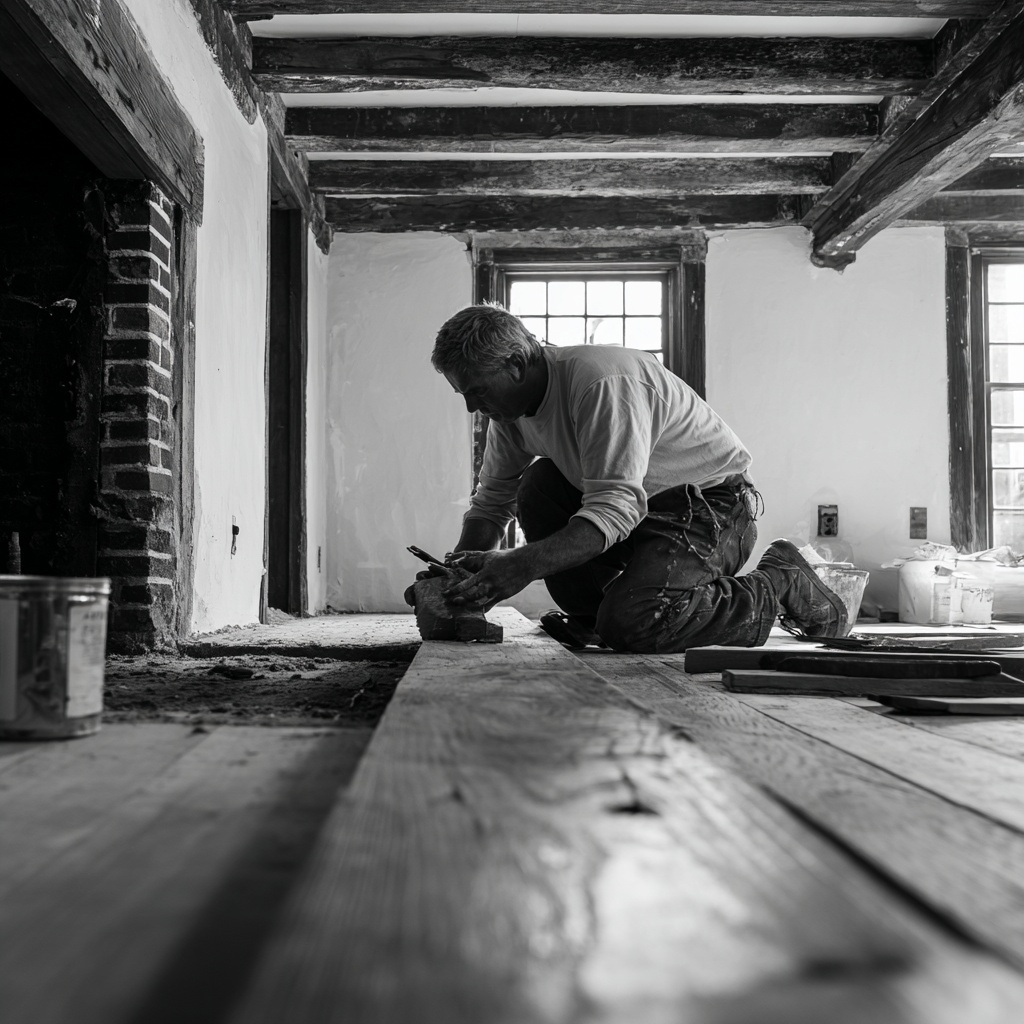
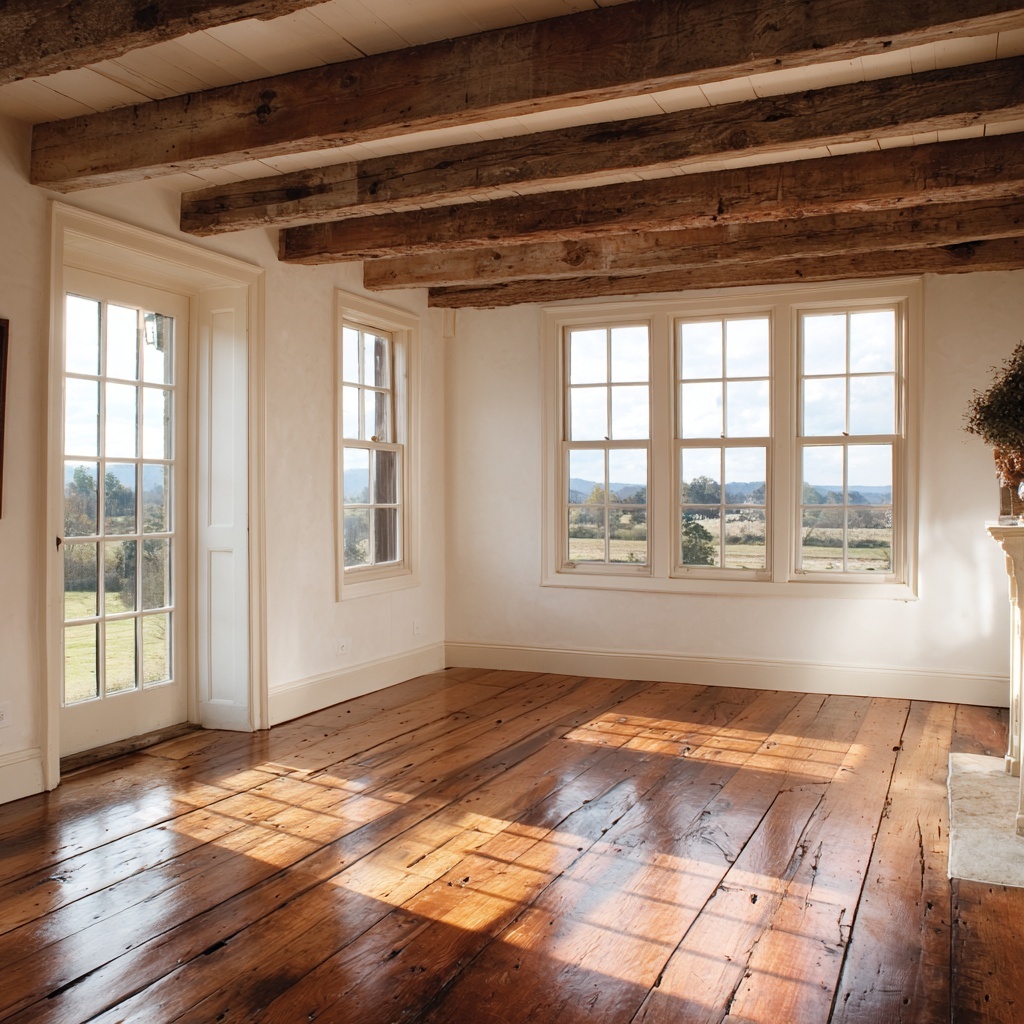
 You’ve poured yourself into your historic home, the wide-plank floors, the hand-hewn beams, the six-over-six windows that have looked out over the same Virginia countryside for a century or more. Now you’re facing a significant restoration project, and someone mentioned that you might be able to get a tax credit for the work. But you’re not sure where to start, whether you qualify, or how much it’s actually worth.
The good news: Virginia has one of the most generous historic preservation tax credit programs in the country. The potentially frustrating news: navigating it requires knowing the right questions to ask. This guide walks you through exactly what you need to know, from eligibility and program details to what kinds of work count and how to start the process.
What Are the Preservation Tax Credits Available to Historic Homeowners in Virginia?
There are two main programs that may apply to your property:
The Virginia Historic Rehabilitation Tax Credit offers a 25% state income tax credit on eligible rehabilitation expenses for certified historic structures. This is a dollar-for-dollar reduction of your Virginia state tax liability, not a deduction from income, but a direct credit against taxes owed. If your credit exceeds your tax liability in a given year, the excess can be carried forward for up to ten years.
The Federal Historic Tax Credit offers a 20% federal income tax credit, but it applies only to income-producing properties, commercial buildings, rental properties, and mixed-use structures. If your historic home is your primary residence, you will not qualify for the federal credit. However, if part of your property generates income (such as a separately rented unit or a working farm), a portion of the rehabilitation costs may still be eligible.
For most Northern Virginia homeowners restoring a personal residence, the Virginia state credit is the primary opportunity, and it’s a meaningful one.
Does My Property Need to Be on the National Register to Qualify?
This is one of the most common misconceptions about historic tax credits. Your property does not need to be individually listed on the National Register of Historic Places to qualify for the Virginia credit, though it helps.
To be eligible, your property must meet one of the following criteria:
- Individually listed on the Virginia Landmarks Register or the National Register of Historic Places
- A contributing structure within a locally certified historic district
- Certified as eligible for listing by the Virginia Department of Historic Resources (DHR), even if it hasn’t formally been nominated yet
That last point is significant. Many older homes in communities like Purcellville, Middleburg, Round Hill, and Leesburg sit in areas with strong historic character but haven’t been individually nominated. If your home is architecturally or historically significant, even informally, it may still be certifiable. The DHR can make a preliminary eligibility determination before you commit to the full application process.
Homes that contribute to a recognized historic district in Northern Virginia, including the Waterford National Historic Landmark or locally designated districts in Loudoun County, are also strong candidates.
 What Kind of Renovation Work Qualifies for the Credit?
Not every dollar you spend on your historic home will count toward the credit. The Virginia program requires that the work be a “certified rehabilitation”, meaning it must meet the Secretary of the Interior’s Standards for Rehabilitation. These standards are designed to preserve a building’s historic character while allowing for necessary updates.
Work that typically qualifies includes:
- Structural repairs, including foundation stabilization and framing work
- Restoration of original windows, doors, and exterior siding
- Roofing work using historically appropriate materials
- Plumbing, electrical, and HVAC systems upgrades
- Interior work that preserves or restores historic fabric, such as original flooring, plaster walls, and trim
- Insulation and weatherization, when done in a preservation-sensitive manner
Work that generally does not qualify includes:
- New additions that significantly alter the historic character of the structure
- Landscaping, outbuildings, or site improvements (in most cases)
- Work that removes or obscures significant historic material
- Cosmetic upgrades that aren’t tied to the building’s preservation
Importantly, the work must also meet a minimum spend threshold to qualify. Your qualified rehabilitation expenditures must exceed the building’s adjusted basis (essentially, what you paid for it minus the land value, adjusted for depreciation). For most homeowners who purchased a significantly deteriorated property, clearing this threshold is achievable. Your tax advisor can help you calculate this figure.
How Do I Apply for the Virginia Historic Rehabilitation Tax Credit?
The application process is handled by the Virginia Department of Historic Resources and involves three stages. Understanding the timeline upfront is critical; you need to start the application before construction begins, not after.
Part 1 Certification of Significance: This application establishes that your property is a certified historic structure. You describe the building’s history and architectural significance, with photos and supporting documentation. DHR reviews it and issues a determination. This step should happen before you finalize your rehabilitation plans.
Part 2 Certification of Rehabilitation Plan: Here, you submit your proposed scope of work for DHR review before construction begins. Reviewers confirm that the planned work meets the Secretary of the Interior’s Standards. Getting pre-approval at this stage protects you from surprises at the end. If work is done first and reviewed later, there’s no guarantee it will be certified.
Part 3 Certification of Completed Work: Once construction is finished, you submit final documentation (photos, contractor invoices, and a description of completed work) confirming the project was executed as approved. DHR issues the final certification, which you then use to claim the credit on your Virginia tax return.
How Much Is the Credit Actually Worth, and Can I Sell It?
The 25% Virginia credit can represent a substantial sum on a significant restoration project. On $200,000 of qualified rehabilitation expenses, for example, the credit would be $50,000, applied directly against your Virginia income tax liability.
One of the most valuable and underutilized features of the Virginia program is its transferability. If your credit exceeds your tax liability, or if you simply prefer to monetize it immediately, you can sell the credit to another Virginia taxpayer. A robust secondary market exists for these credits, and they typically sell for somewhere between 85 and 92 cents on the dollar, depending on market conditions. This means a $50,000 credit could generate $42,500 to $46,000 in immediate cash proceeds even if you have no Virginia tax liability to offset.
Partnering with a tax attorney or CPA who is familiar with the Virginia credit market is strongly recommended if you’re considering a transfer. The mechanics are well established, but the paperwork and timing matter.
Does Working on a Historic Home in a Preservation District Change the Rules?
If your home is located within a locally designated historic district or in a National Historic Landmark area like Waterford, there are additional layers to consider beyond the tax credit program.
Many Loudoun County municipalities and localities with historic districts require a Certificate of Appropriateness (COA) from a local architectural review board before exterior work can begin. This is separate from the DHR process and governed by local ordinance. The standards are typically compatible with the Secretary of the Interior’s guidelines, but the timing and required documentation differ.
Working with a contractor who understands both the local approval process and the state certification requirements is essential. Missteps at the local level, like using non-approved materials on an exterior, can jeopardize your eligibility for the state credit even if the broader scope of work is otherwise sound.
What Should I Do First If I Think My Home Might Qualify?
The most important first step is to find out whether your property is already listed or eligible for listing. You can search the Virginia Landmarks Register and the National Register of Historic Places through the DHR website. If your property isn’t listed, contact DHR directly to inquire about eligibility. They offer preliminary consultations and can point you toward the right pathway before you invest time in a full application.
From there, assemble your team early. You’ll want a builder experienced in historic preservation, a tax professional familiar with the Virginia credit program, and, ideally, someone who has navigated the DHR certification process before. The documentation requirements are manageable, but they reward preparation, especially the requirement that your rehabilitation plan be submitted and approved before work begins.
At Carpenter Beach Construction, we’ve worked extensively with historic properties throughout Northern Virginia and the Shenandoah Valley, from nationally registered landmarks to locally significant homes that most people don’t realize may qualify for preservation support. If you’re starting to think about a major restoration project and want to understand what tools might be available, we’re glad to be part of that early conversation.
Ready to explore your restoration options? Connect with a Carpenter Beach project manager to talk through your property, your goals, and how to make your historic home the best version of itself. Call us at (540) 441-3953 or reach us through our contact page.

 Carpenter Beach Construction
 Local Wood
 Premiere Electrical Services
 Beach Carpenter Properties
 Loudoun Stairs