
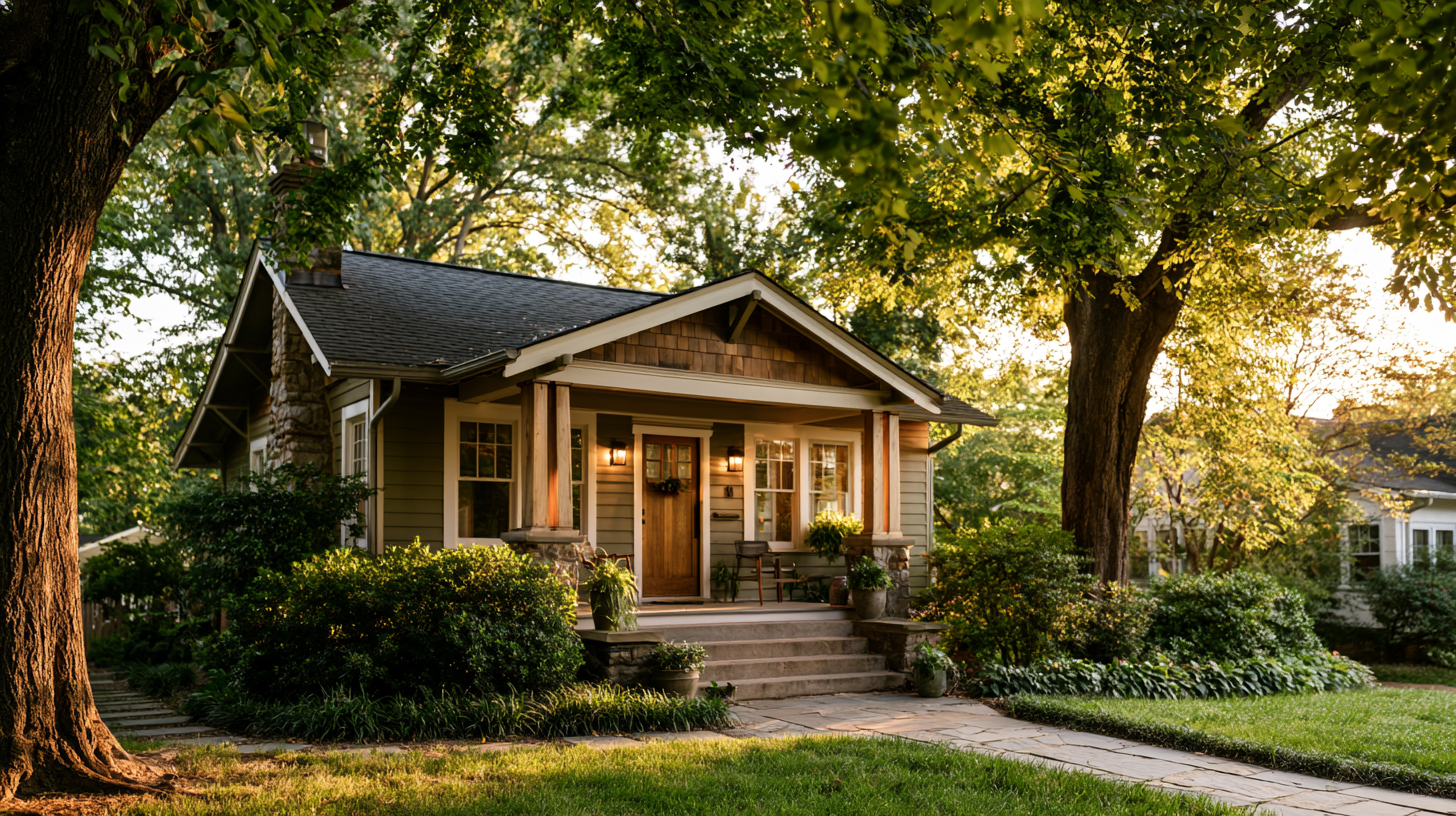
Renovating a century-old home is one of the most rewarding projects a homeowner can undertake, and one of the most complex. Unlike a straightforward remodel of a newer house, a whole-house renovation on an older property involves layers of unknowns that don’t reveal themselves until work begins. The bones may be magnificent, the character irreplaceable, but the systems behind the walls are almost certainly a story unto themselves.
If you own or are considering purchasing a home built around the turn of the 20th century in Northern Virginia, a Federal-era farmhouse in Loudoun County, a craftsman bungalow in Leesburg, or a Victorian in one of the valley’s historic towns, this guide will help you set realistic expectations. Not to scare you off, but to prepare you well. Because the homeowners who navigate whole-house renovations most successfully are the ones who understand, going in, exactly what they are getting into.
Why Is Renovating a 100-Year-Old Home Different from Renovating a Newer House?
 The difference comes down to one word: unknowns. Modern construction follows standardized codes, predictable materials, and documented systems. A 100-year-old home was built under entirely different standards, or no standards at all, and has been modified, repaired, and adapted by potentially dozens of owners over a century. Every wall you open, every floor you lift, every ceiling you drop is a potential discovery.
That’s not a flaw in the project; it’s the nature of old construction. But it means that no matter how thorough your pre-renovation inspection, surprises will occur. The contractors who are honest with you about this upfront are the ones worth trusting. The ones who quote a firm fixed price with no contingency on a century-old house are the ones to be cautious about.
Older homes also require a different mindset about materials, methods, and pace. Some things simply cannot be rushed. Matching original plaster profiles, sourcing period-appropriate millwork, or waiting for salvaged materials to arrive takes time, and that time is part of doing the job right.
What Happens Before Construction Even Starts?
The pre-construction phase for an older home is longer and more involved than most homeowners anticipate, and skipping steps here often leads to costly problems later. Here’s what a thorough pre-construction process should include:
Thorough site and structural assessment. Before any design work is finalized, an experienced contractor should walk the property in detail, inspecting the foundation, framing, roof structure, chimneys, and any visible evidence of moisture, pest damage, or structural movement. In older homes, this assessment often uncovers conditions that need to be addressed before cosmetic work can begin.
Systems evaluation. Electrical, plumbing, and HVAC in century-old homes are almost always inadequate for modern living by code standards. A pre-renovation evaluation by licensed tradespeople gives you a clear picture of what needs full replacement versus what can be retained and updated.
Hazardous materials testing. Homes built before 1978 often contain lead paint. Homes built before the 1980s may have asbestos in floor tiles, pipe insulation, plaster, or roofing materials. Testing before construction begins, not during, lets your contractor plan for proper remediation and keeps costs predictable.
Permitting. A whole-house renovation in Virginia will require building permits, and in historic districts, additional review by a local architectural review board may be required before any exterior work begins. In Loudoun County and surrounding jurisdictions, your contractor should pull permits and manage the inspection schedule; this is not a step to shortcut.
Design finalization. Changes to the design during construction on an old home are significantly more costly than on new construction, because systems and structure are intertwined in ways that weren’t documented. Finalizing your plans before the first nail is pulled saves time and money downstream.
What Hidden Problems Should I Expect to Find in a 100-Year-Old Home?
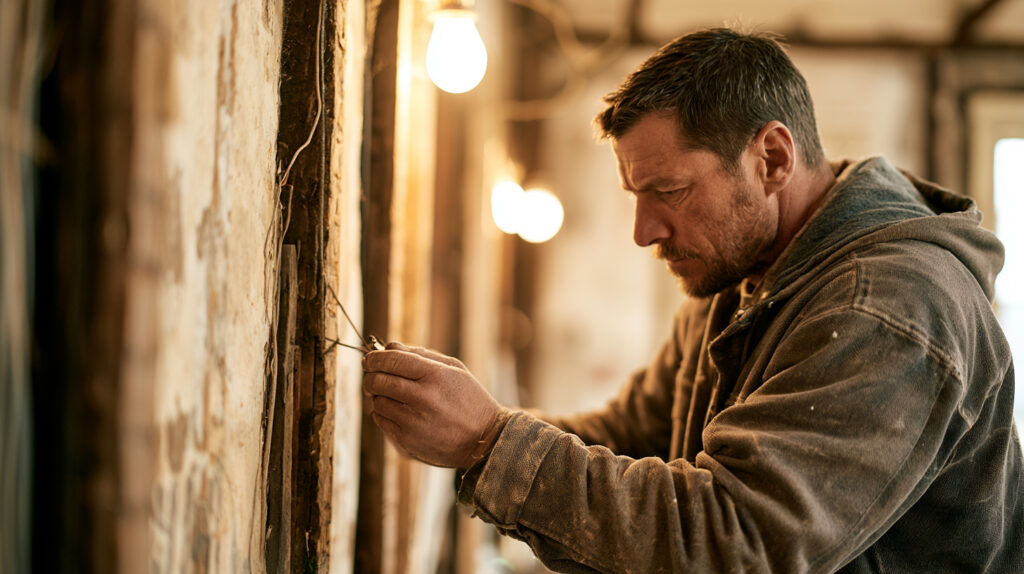 Nearly every whole-house renovation of a century-old property turns up at least one significant surprise once walls are opened. The most common ones in Northern Virginia’s older housing stock include:
- Knob-and-tube wiring. Still present in many homes built before the 1940s, this ungrounded system is outdated, often uninsurable at full coverage, and incompatible with modern loads. Full electrical replacement is almost always the right call.
- Galvanized steel or lead pipes. Galvanized pipes corrode from the inside out and lose water pressure over time. Lead supply pipes are a health concern and require replacement. Finding either during a renovation is common and expected.
- Foundation movement or settlement. Older foundations, particularly stone, brick, or early concrete, often show evidence of gradual settling, moisture infiltration, or failing mortar. In many cases, this can be stabilized and repaired without full replacement, but it needs to be assessed early.
- Non-structural walls that have become structural over time. A century of modifications, removing headers, adding openings, and improvised repairs, sometimes results in walls that technically shouldn’t be load-bearing but have become so through years of settling. Opening them without understanding what they’re doing is how floors shift.
- Moisture damage and rot. Older homes often have decades of deferred maintenance or inadequate weatherproofing. Sill plates, floor joists at exterior walls, and window framing are common locations for rot that isn’t visible until work begins.
- Undersized framing by modern standards. Early 20th-century construction used different lumber dimensions and spacing than modern code requires. This doesn’t always mean the structure is unsafe, but it can affect what you can do with the space and how loads are transferred.
Experienced renovation contractors price contingencies into their estimates specifically because these discoveries are expected, not exceptional. A well-run project handles them methodically rather than as crises.
How Long Does a Whole-House Renovation of an Older Home Take?
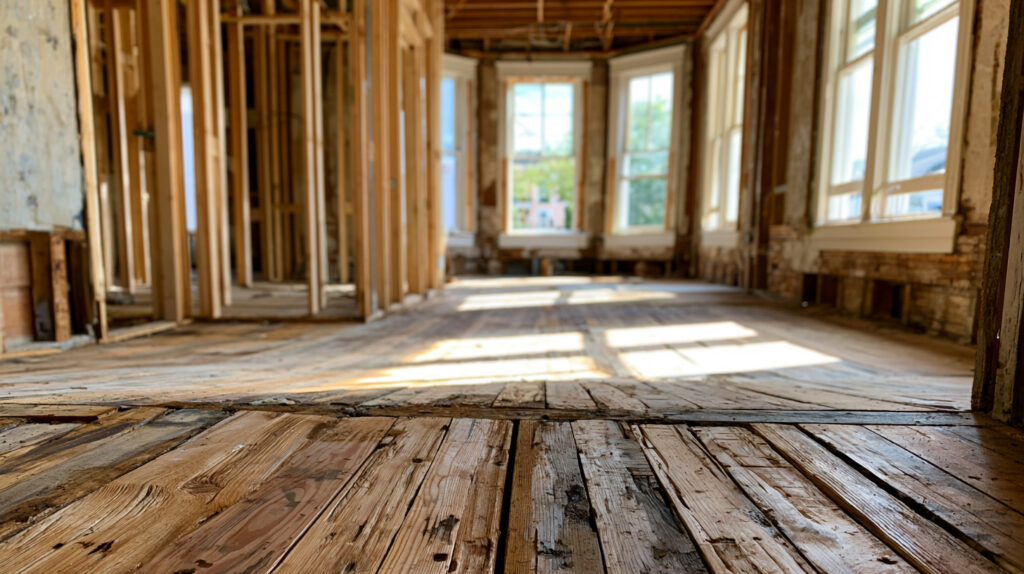 This is the question most homeowners ask first and the one that’s hardest to answer precisely. As a general framework, a full whole-house renovation, meaning structural work, all systems replacement, and full interior finishes, on a 2,000 to 3,500 square foot older home typically runs between 9 and 18 months from construction start to completion. Larger homes, more complex historic work, or significant structural remediation can extend that timeline further.
Several factors specific to older homes extend renovation timelines beyond what you’d see on a newer house:
- Discovery-driven scope changes mid-project (almost inevitable on homes of this age)
- Lead or asbestos remediation, which requires licensed abatement and inspection before other trades can proceed
- Custom or salvaged material sourcing for historically sensitive elements
- Sequential trade scheduling, in old homes, each phase often has to be fully completed before the next can begin, in a way that modern construction doesn’t require
- Local permit inspection scheduling, which can add days between phases in busy jurisdictions
The most practical advice: build in more time than you think you need, and resist the urge to pressure your contractor into an accelerated schedule that short-circuits the process. A 100-year-old home took a century to become what it is. Doing the renovation right is worth the time.
How Do Contractors Handle Lead Paint and Asbestos During Renovation?
Both lead paint and asbestos require specific handling protocols that affect how and when other work can proceed. Understanding this upfront prevents schedule surprises.
Lead paint is present in the vast majority of homes built before 1978. Federal EPA RRP (Renovation, Repair, and Painting) rules require that contractors working on pre-1978 homes be EPA-certified and follow specific containment and cleanup protocols. In a whole-house renovation, this affects nearly every phase. Your contractor should be certified and should include RRP-compliant work practices as a standard part of their process, not as an add-on.
Asbestos, if identified through pre-renovation testing, must be remediated by a licensed abatement contractor before the affected areas can be disturbed. This is a separate scope of work from the renovation itself and needs to be scheduled and completed before your builder’s crew can enter those spaces. The good news: proper testing up front lets you plan and price this accurately, rather than discovering it mid-project, when disruption is at its maximum.
Should I Live in the House During a Whole-House Renovation?
For a partial renovation, say, a kitchen and two bathrooms, living in the home during construction is often manageable. For a true whole-house renovation of an older property, it’s usually not. Here’s why:
When electrical and plumbing systems are being replaced, utilities will be shut off repeatedly and for extended periods. During structural work, portions of the house may be temporarily open to the exterior. Dust and debris from lead-safe work practices, drywall, and demolition permeate everything. And practically speaking, the presence of homeowners in a construction zone slows the crew’s ability to work efficiently, costing time and sometimes money.
Plan for temporary housing from the start of construction through substantial completion. Factor this into your overall budget; it’s a real cost that’s easy to underestimate when you’re focused on finishes and fixtures. Some homeowners negotiate a phased approach in which certain portions of the house are completed first and made habitable before the rest is tackled, but this requires careful planning with your contractor and typically adds to the overall timeline.
How Do I Budget for a Whole-House Renovation When Costs Are Hard to Predict?
Budgeting for an older home renovation is genuinely different from budgeting for new construction or a simple remodel, and anyone who tells you otherwise hasn’t done many of them. The right approach combines a detailed scope estimate with a meaningful contingency, not a token 5%, but a realistic 15 to 25% of the total projected cost held in reserve specifically for discoveries and scope changes.
Structure your budget in priority layers: life-safety and structural work first (foundation, framing, electrical, plumbing, roof), then building envelope (windows, insulation, exterior), then interior systems (HVAC, insulation), then finishes. If costs run over in the early phases due to hidden conditions, you want the flexibility to adjust finish selections rather than skip structural work.
It also helps to understand what’s driving cost in your specific project. On century-old homes in Northern Virginia, the single biggest cost variable tends to be the condition of the electrical and plumbing systems; homes that have been updated even partially cost significantly less to fully renovate than those that have never been touched. A thorough pre-construction assessment that scopes the systems realistically is worth every dollar.
What’s the Right Way to Prioritize Work in a Whole-House Renovation?
The sequencing of a whole-house renovation isn’t arbitrary; it follows a logic that protects both the structure and the investment. A well-organized renovation moves through work in roughly this order:
- Demolition and discovery. Opening walls and ceilings to understand what’s actually there.
- Structural repairs. Foundation, framing, sill plates, headers, anything that supports the building comes first.
- Rough mechanical work. Electrical, plumbing, and HVAC rough-in happens while walls are open, and running new systems through old framing takes time and skill.
- Insulation. Added after rough mechanicals are inspected and approved.
- Drywall or plaster. In historically sensitive work, closing the walls back up, restoring or matching the original plaster may be the right approach.
- Interior finishes. Trim, millwork, flooring, cabinetry, tile, the visible work that makes the home what it will be.
- Mechanical finish and fixture installation. Lighting, plumbing fixtures, HVAC registers and grilles.
- Punch list and final inspections. The detail pass that brings everything to completion and satisfies permit requirements.
Trying to compress or reorder this sequence to save time almost always ends up costing more time in the end. Skilled contractors in older homes understand that patience at each phase protects the phases that follow.
What Makes a Contractor the Right Fit for a 100-Year-Old Home Renovation?
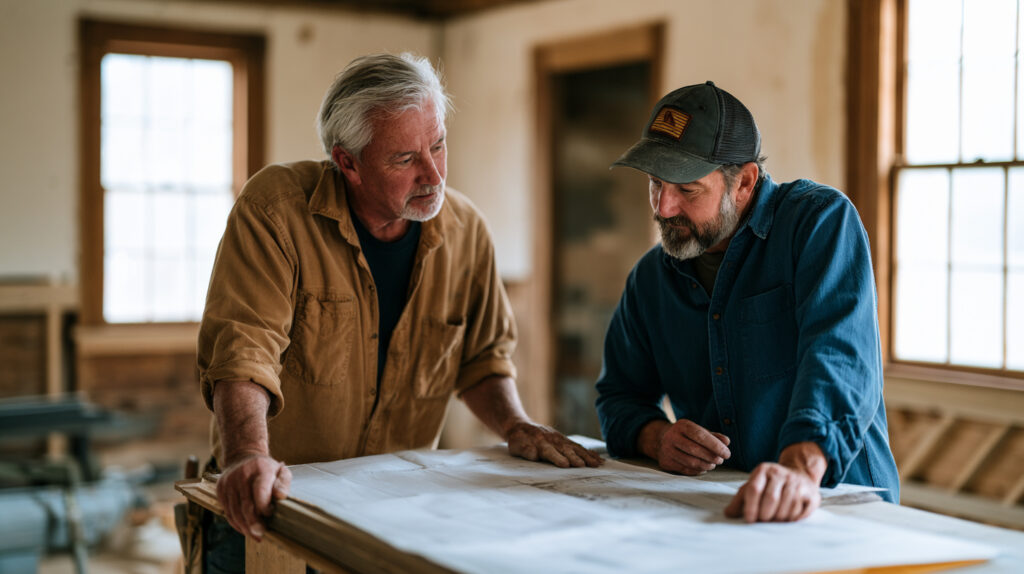 Not every skilled contractor is the right contractor for a century-old home. The qualities that matter most in this context differ from those you’d prioritize for new construction or a simple kitchen remodel.
Look for a contractor who can demonstrate a history of completed work on homes of similar age and complexity and show you the projects, not just describe them. Ask how they handle scope changes discovered mid-project, and listen carefully to the answer. A contractor who has done this work before will have a clear, calm process for exactly that situation. One who hasn’t will either hedge or overconfidently dismiss the concern.
Ask about their subcontractor relationships. In older home renovation, the quality of the electrical and plumbing subs matters enormously; running new systems through old framing requires experience and patience that not every trade contractor has. A builder who has established long-term relationships with subcontractors who specialize in older homes is at a significant advantage.
At Carpenter Beach Construction, whole-house renovation of older and historic properties has been central to our work for over 40 years in Northern Virginia and the Shenandoah Valley. We get involved early in the planning process, before design is finalized, before permits are pulled, because that’s where the most valuable work happens on projects like these. If you’re mapping out a renovation of a century-old home and want an honest conversation about what to expect, we’d welcome the call.
Planning a whole-house renovation? Carpenter Beach Construction has been renovating century-old homes in Northern Virginia for over 40 years. Connect with a project manager to discuss your property before making the first decision. Call (540) 441-3953 or reach us through our contact page.

 Carpenter Beach Construction
 Local Wood
 Premiere Electrical Services
 Beach Carpenter Properties